

Attending to pain and nervousness together with inhalation sedation
AIRNOX is an inhalation sedation and analgesia device through which you breathe in a mixture of nitrous oxide and oxygen. If you are concerned about pain during a procedure or feel very nervous, talk with our medical team about whether to use it.
Inhalation sedation with nitrous oxide and oxygen
The manufacturer describes it as a method of sedation and analgesia in which a mixture of nitrous oxide (N₂O) and oxygen (O₂) is inhaled. While checking your condition, we discuss an approach to reducing pain and nervousness during your procedure.
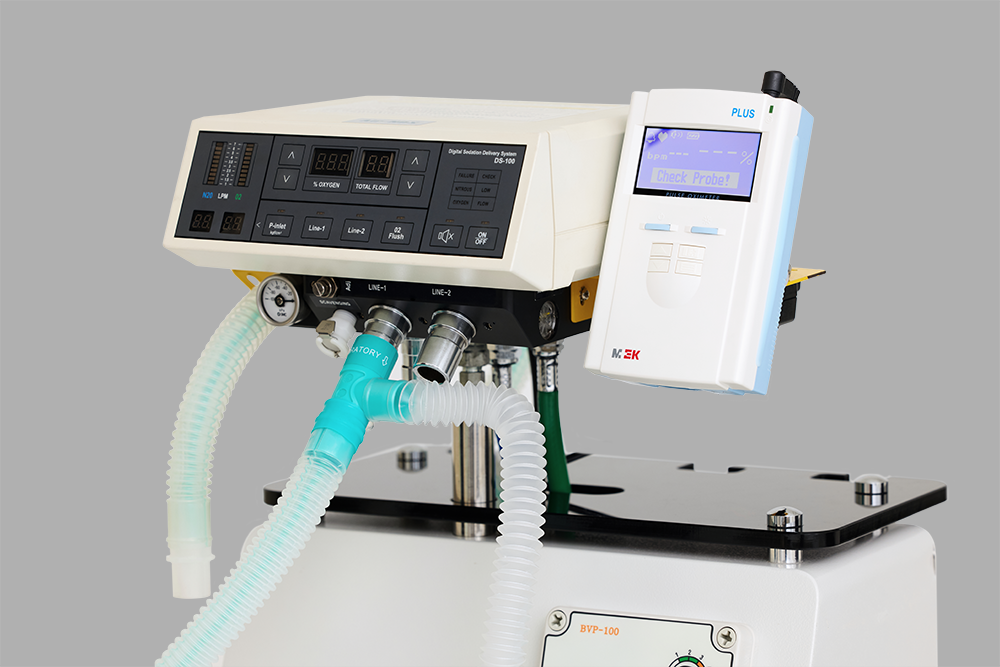
AIRNOX
A device that uses a mixture of nitrous oxide and oxygen. After checking your current condition and the procedure for which pain or nervousness concerns you, we discuss whether to use it.
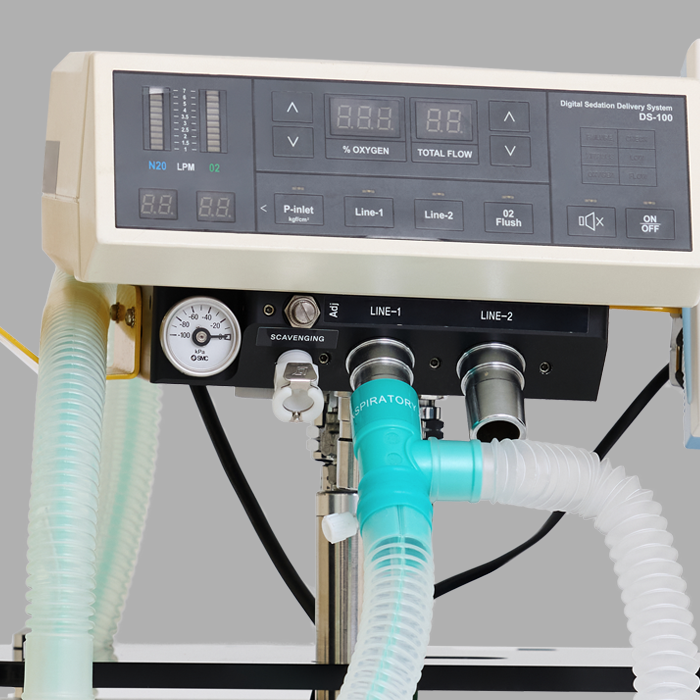
We check your condition and response during the procedure
The manufacturer advises monitoring the patient's condition and checking responses through communication. During your procedure, let our medical team know about any discomfort or anything that feels different from usual.
Easing pain and nervousness for your comfort
This device uses an inhaled mixture of nitrous oxide and oxygen, a method referred to as "air anesthesia," to ease pain and nervousness during a procedure and help make it more comfortable.

Easing Nervousness

A Comfortable Procedure

Pain Relief
Pain or nervousness: which discomfort concerns you?
We listen separately to your concerns about pain and your nervousness before a procedure, then go over your current condition and the direction of care you want with you.
If pain from a previous procedure concerns you
Tell us about the areas and procedures where the pain was significant, and the discomfort you felt at the time. We'll discuss an approach to pain management that fits your planned treatment.

If you feel very nervous ahead of a procedure
Tell us in which situations your nervousness increases. We'll go over how the procedure works and how we communicate during it, then discuss whether to use it.

Questions about inhalation sedation
Answers to questions about the gas used, whether it is used, and communication during the procedure.
From checking your condition to communicating during the procedure
We first check your current condition and the details of your procedure. Tell our medical team right away about any discomfort during use or any change that may be a side effect.
1. Checking your planned procedure and current condition
Tell us about your planned procedure, your concerns about pain and nervousness, and any uncomfortable experiences from previous treatments. We'll discuss whether and how to use it.
2. Sharing discomfort and reactions during the procedure
Follow the instructions you were given, and tell us about any discomfort right away. Our medical team stays in communication with you and checks how you are doing.
3. Reviewing your instructions after treatment
After your treatment, review the precautions given to you. If unexpected discomfort persists, contact the clinic to have it checked.
If pain or nervousness concerns you, talk it through with us
See Treatments and Our Doctors, and call our main line to discuss your planned procedure and approach to pain management.