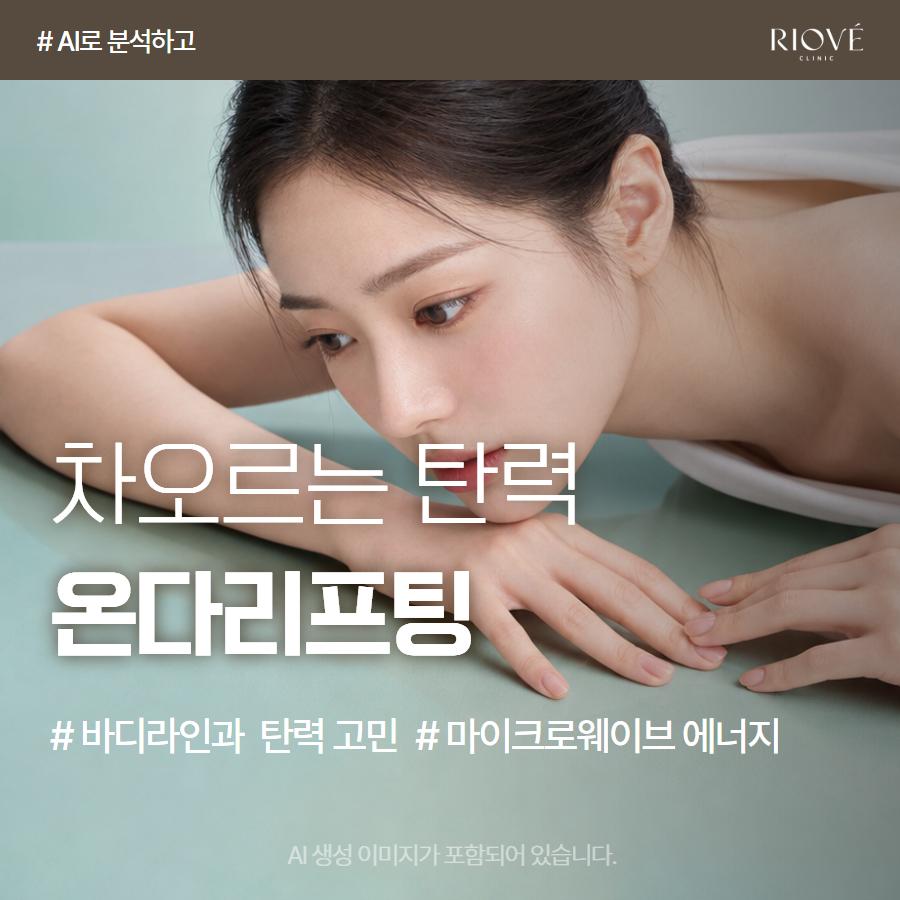
ONDA Lifting near Cheongdam Station: Why Skin Thickness Matters
For anyone looking into ONDA Lifting at a dermatology clinic near Cheongdam Station, here is an overview of how 2.45GHz microwave energy works, choosing the 3mm or 7mm handpiece by skin thickness, which skin conditions suit it, and the recovery process.
More fat means stronger energy, thinner skin means weaker energy. Quite a few people understand ONDA Lifting through a simple formula like this. In reality, the same ONDA Lifting treatment produces different changes in different faces, and that difference often begins with skin thickness and fat distribution.
Concerns may sound alike, such as a less defined jawline or cheeks that have lost firmness, yet some people have thin skin with little fat while others have plenty of subcutaneous fat. When tissue conditions differ, the lifting plan has to differ too. To help people looking into ONDA Lifting at a dermatology clinic near Cheongdam Station judge whether it suits their skin, we explain in turn how it works, how the handpiece is chosen by skin thickness, which skin conditions are worth considering, and the recovery process.

How microwave energy reaches the dermis and fat layer
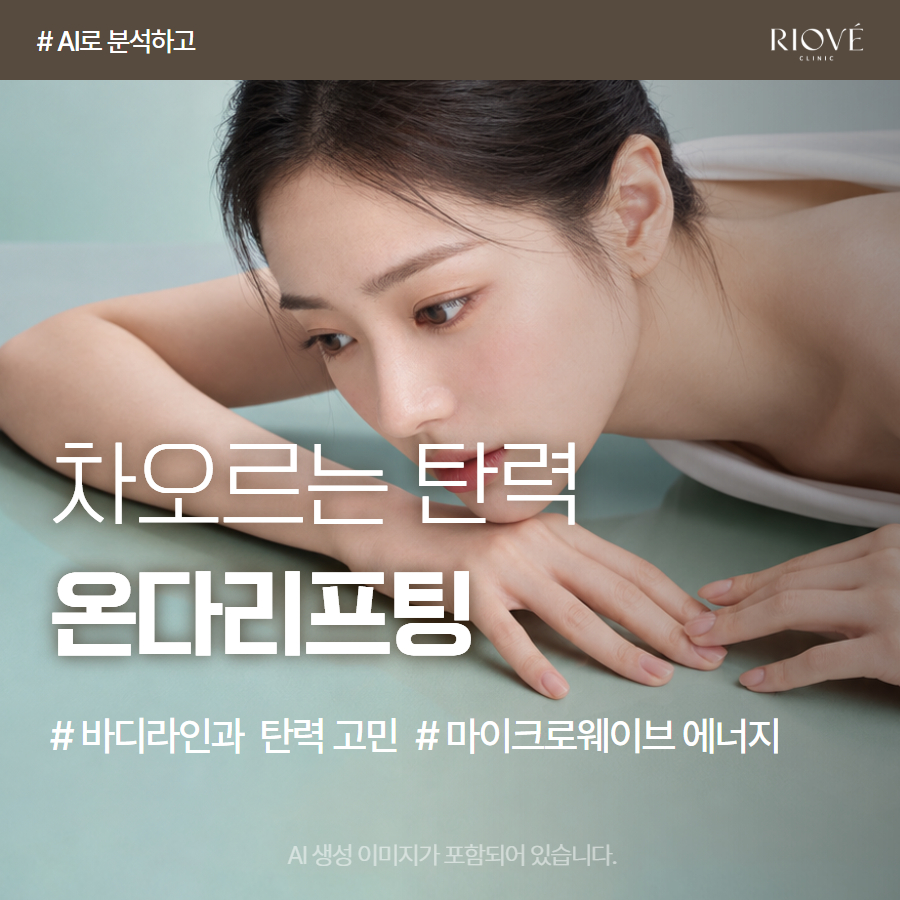
ONDA Lifting is a non-invasive treatment that uses 2.45GHz microwave energy. When microwaves enter skin tissue, they interact with molecules and generate heat, and this heat is used to tighten the dermis and bring about changes in the subcutaneous fat layer.
The dermis holds the collagen and elastin responsible for elasticity. When stimulated by heat, the structure of collagen changes, and a remodeling response in which the tissue reorganizes may follow. In the subcutaneous fat layer, heat affects fat cells and may help reduce localized fat.
What is worth remembering here is that managing skin elasticity and changing the fat layer are separate processes. If you are considering ONDA Lifting at a dermatology clinic near Cheongdam Station, first check whether skin laxity or fat distribution is your main concern.


The 3mm or 7mm handpiece is chosen by skin thickness
ONDA Lifting uses two different handpieces. Because the thermal energy spreads differently with each, the choice depends on skin thickness and the goal of the treatment.
| Handpiece | Main purpose |
|---|---|
| 3mm | Managing elasticity in relatively shallow tissue |
| 7mm | Delivering thermal energy to the deep subcutaneous fat layer |
However, the number on the handpiece does not precisely determine the depth the energy actually reaches, because heat distribution varies with skin thickness, fat volume and treatment conditions.
If your skin is thin and lacks volume, whether an approach aimed at changing the fat layer is appropriate needs careful consideration. On the other hand, a thicker fat layer does not necessarily call for high energy. When planning ONDA Lifting at a dermatology clinic near Cheongdam Station, assessing the condition of the skin and fat layer is as important as choosing the handpiece.

Skin that suits ONDA Lifting, and skin that calls for caution
Many people who seek ONDA Lifting say their jawline has become less defined or that a double chin bothers them. If loss of skin elasticity and localized fat are both present in the same face, ONDA Lifting may be worth considering.
However, the same treatment does not suit everyone simply because they look saggy. If there is fat under the chin but the cheeks are on the slim side, the goals for the two areas need to be considered separately. Facial fat also helps maintain contour and volume, so delivering energy aimed at fat reduction to an area that already lacks volume can cause unwanted hollowing.
That is why an ONDA Lifting consultation at a dermatology clinic near Cheongdam Station looks at both whether loss of elasticity is central and whether fat distribution is playing a role. If the cause is sagging of the deep supporting tissue or severe skin laxity, other treatment options may be considered.
Pain and recovery to know about, even with a cooling system
ONDA Lifting has a cooling system that reduces excessive heat on the skin surface. It keeps the surface temperature from rising while thermal energy is delivered beneath the skin, but this does not mean there is no discomfort at all during treatment.
Depending on your skin's sensitivity and the energy settings, you may feel warmth, stinging or discomfort. After treatment, redness, swelling and tenderness may occur, and side effects such as burns or fat atrophy are also possible.
It is hard to judge the change in skin elasticity from how you look right after treatment. Collagen remodeling takes time, and when changes appear and how much they show vary from person to person. If you are planning ONDA Lifting at a dermatology clinic near Cheongdam Station, we recommend checking your previous treatment history, skin thickness, fat volume and the expected recovery process in advance.
A plan built around your skin, not the device's features
When researching lifting treatments, it is easy to focus first on device features or the number of sessions. ONDA Lifting can reach both the dermis and the subcutaneous fat layer with microwave energy, but it is not a treatment that can be used the same way for every kind of sagging skin.
The approach depends on skin thickness, fat distribution and the cause of lost elasticity. Before choosing a dermatology clinic near Cheongdam Station, check which tissue changes concern you, and get a thorough explanation of the purpose of ONDA Lifting and the treatment plan. What matters in lifting is not the strength of the energy but judging the approach your skin needs now, and the right order is to understand your skin and facial structure before deciding on a treatment plan.
ONDA Lifting FAQ
How does ONDA Lifting work? It uses 2.45GHz microwave energy to create heat in the skin tissue, bringing about tightening of the dermis and changes in the subcutaneous fat layer.
How are the 3mm and 7mm handpieces used differently? The 3mm handpiece is used to manage elasticity in relatively shallow tissue, and the 7mm handpiece to reach the deep subcutaneous fat layer. How far the heat actually spreads differs with skin condition and treatment conditions.
Can I have it if I have little facial fat? Having little fat does not by itself decide whether you can have it. Whether it suits you is judged after checking skin thickness, fat volume and the cause of sagging.
Is it a painful treatment? There is a surface cooling function, but you may feel heat or pain. The degree varies with skin sensitivity and energy settings.
Can I go straight back to my daily routine after treatment? It varies from person to person. Redness, swelling and tenderness may occur, so it is best to plan your schedule based on how your skin responds and recovers.
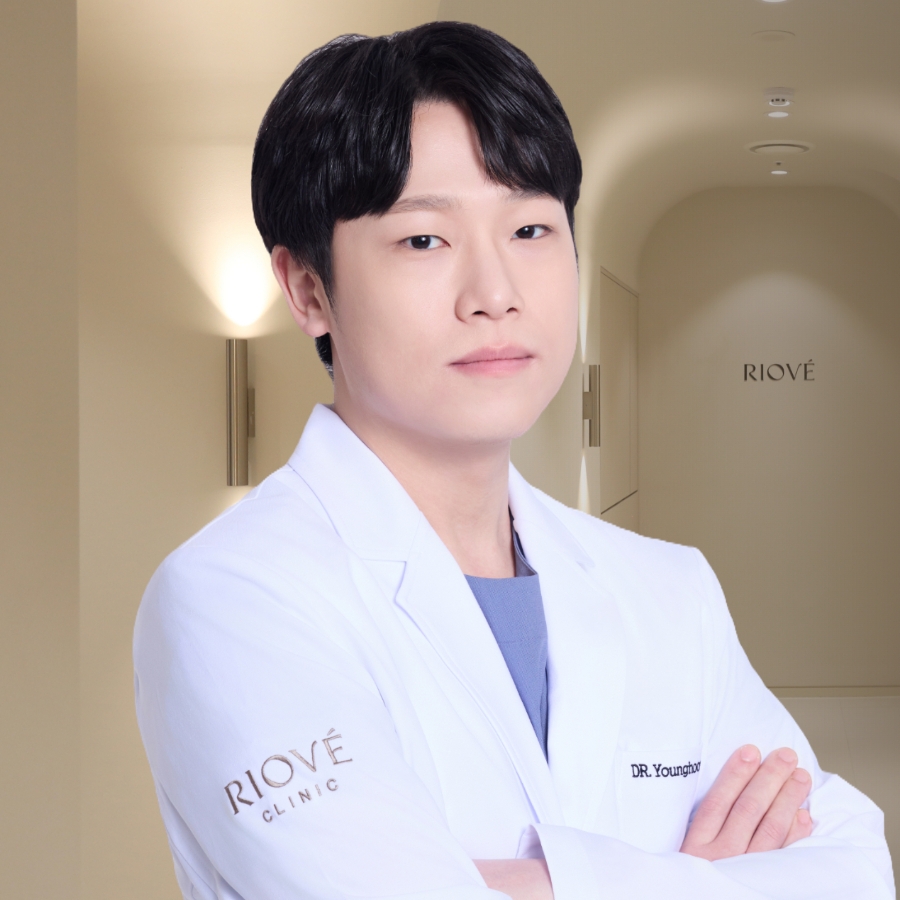
Written by : Dr. Lee Young-hoon, Chief Director, RIOVE Clinic, Profile Last reviewed : 2026-11-15 This article contains general medical information. Treatment results and recovery vary from person to person, and side effects such as redness, swelling, tenderness, burns or fat atrophy may occur. Individual diagnosis and treatment plans are determined through an in-person consultation.
If a treatment interests you, we'll go over it together in the exam room
Whether a treatment is suitable, and how it is done, is decided after we check your individual condition. For more details, please call our main line.