
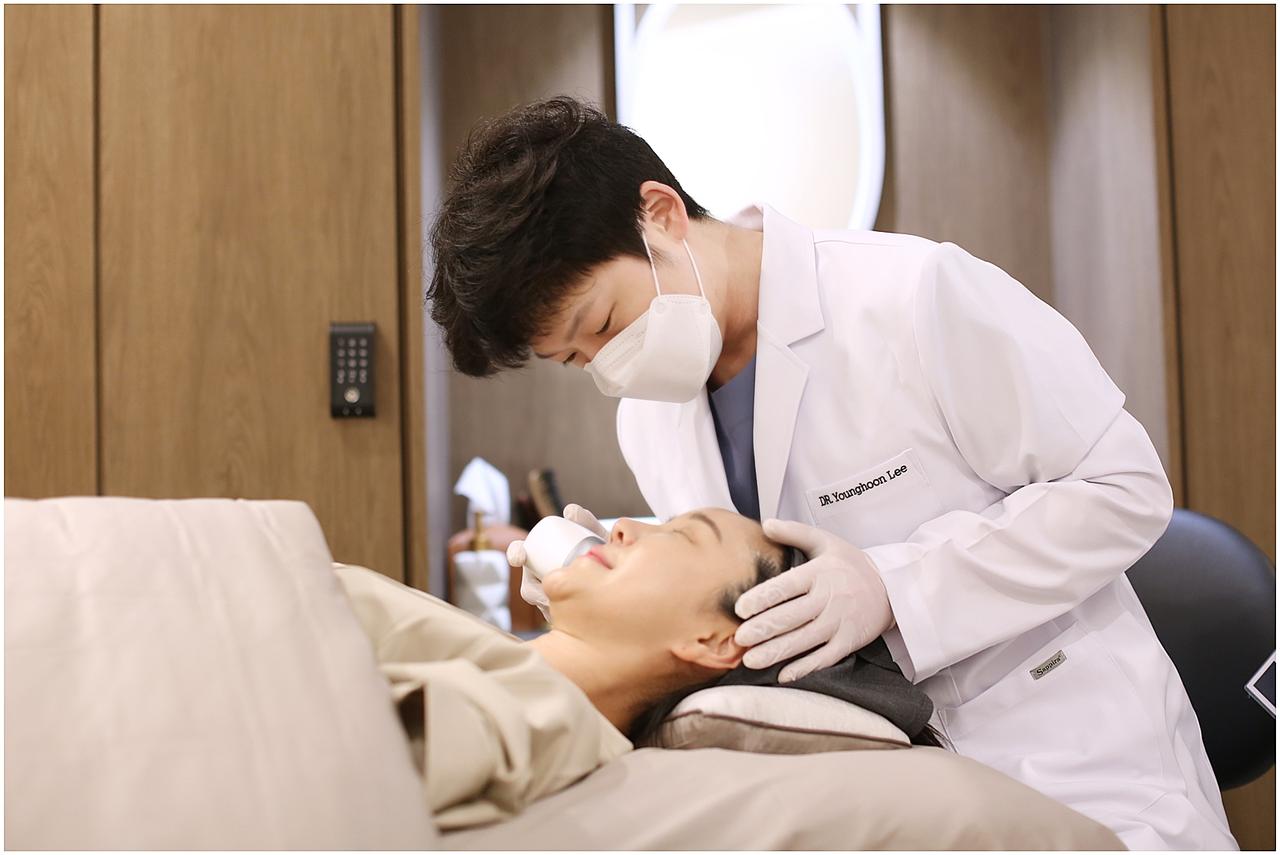
XERF Lifting at a Gangnam-gu Office Dermatology Clinic: Skin Elasticity and Sagging
For those looking into XERF lifting at a Gangnam-gu Office dermatology clinic, we explain how its two frequencies work, the difference between loss of skin elasticity and deep sagging, and pain and recovery.
The idea that a face starting to sag needs strong lifting is only half right. Many people feel their facial contours are different from before even though their wrinkles have not deepened, and the cause of loosened cheeks or jawline sometimes lies not only in skin elasticity but in changes to the fat layer and support tissue.
People who consult about XERF lifting at our Gangnam-gu Office dermatology clinic also want to know how these changes are addressed. XERF lifting is a non-invasive device using radiofrequency energy, and the way energy is delivered can be adjusted to suit the skin's condition. We have laid out in turn how XERF works, the difference between loss of skin elasticity and sagging, who it suits, and the pain and recovery process.
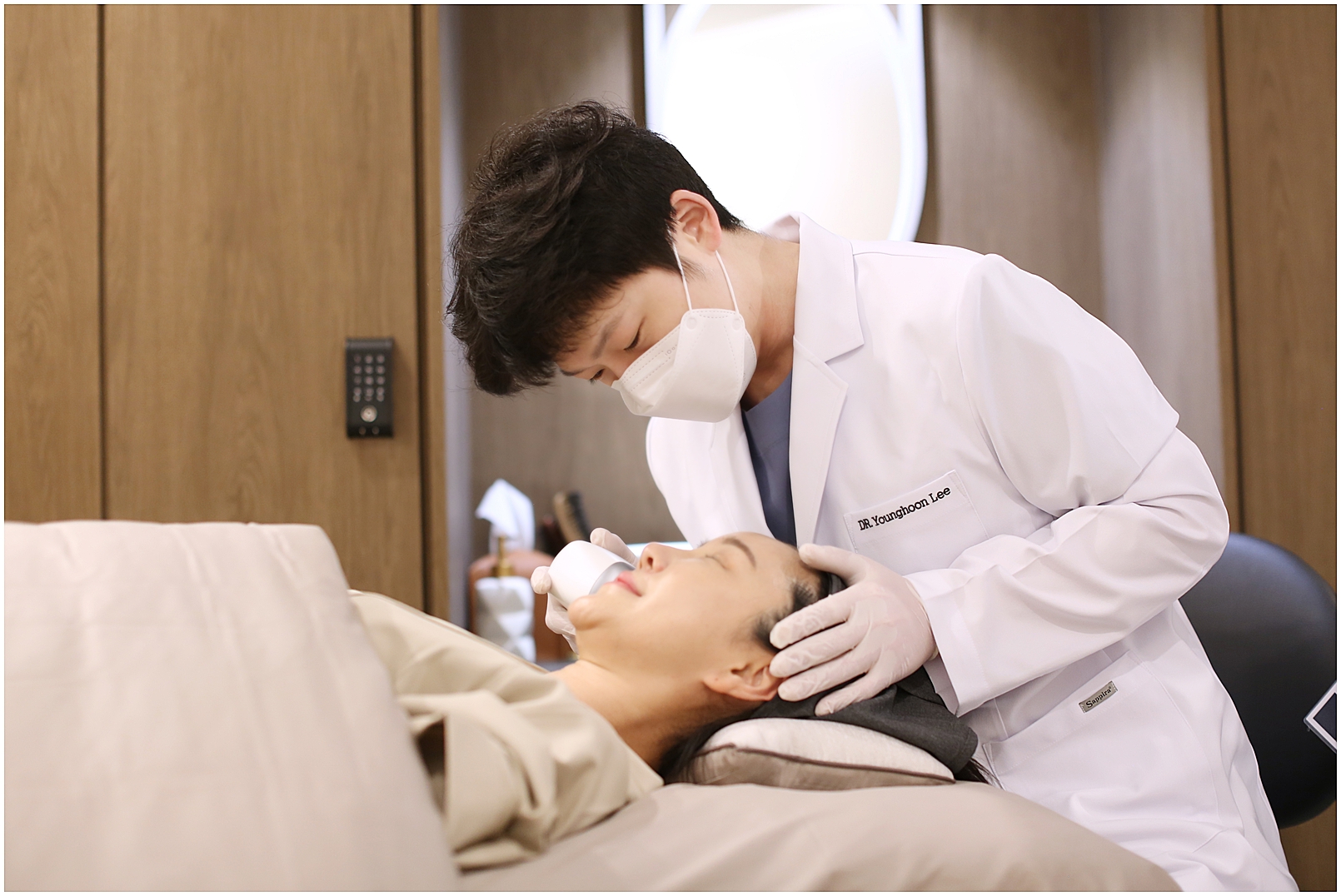
How XERF lifting works with two frequencies
XERF is a lifting device that uses monopolar radiofrequency (Monopolar RF). As radiofrequency energy passes through skin tissue, heat is generated because of the tissue's electrical resistance, and this thermal stimulation affects the collagen structure of the dermis and then helps lead to a remodeling response in which the tissue is rebuilt.
A distinctive feature of XERF lifting is that it uses two frequencies together, 6.78MHz and 2MHz. Because the way energy spreads within the tissue can change with frequency, this difference is used to design thermal stimulation suited to the skin's condition.
That does not mean that one frequency acts only on a fixed layer or that it heats the entire deep tissue evenly. How heat actually spreads changes with skin thickness, tissue properties, and treatment conditions. This is why, if you are considering XERF lifting at a Gangnam-gu Office dermatology clinic, energy settings tailored to your skin matter more than the difference in frequencies.
Loss of skin elasticity and deep sagging: what is the difference?
Facial sagging cannot be explained by stretched skin alone. The collagen and elastin structure of the dermis changes, and the fat and support tissue beneath the skin also change together over time. When these changes overlap, the area around the cheeks loosens and the jawline looks less defined.
| Category | Loss of skin elasticity | Sagging of deep tissue |
|---|---|---|
| Where the main change occurs | Collagen and elastin in the dermis | Fat and support tissue beneath the skin |
| How it looks | Skin texture looks loose and lacks firmness | Contours of the cheeks and jawline move downward |
| Role of XERF lifting | An option that induces a tightening response with radiofrequency heat | The expected change may be difficult with radiofrequency alone |
XERF lifting is a procedure that sends heat to tissue with radiofrequency to induce a skin tightening response. The process in which collagen fibers respond to heat and are rebuilt can be involved in changes in skin elasticity. However, radiofrequency treatment cannot improve every form of sagging equally. That is why XERF lifting at our Gangnam-gu Office dermatology clinic also decides the treatment range after looking at skin thickness, degree of sagging, and facial volume together.
When XERF lifting is worth considering
Typical cases are when firmness has decreased compared with before or the area around the cheeks and jawline looks loose. If loss of skin elasticity is your main concern, radiofrequency tightening can be considered as one treatment option.
On the other hand, if you have little facial fat and thin skin, the tissue response to energy needs to be watched more carefully. If changes in deep support tissue are at the center of the sagging, it may be difficult to achieve the desired change with XERF lifting alone.
What Medical Director Lee Young-hoon considers important in lifting consultations is not age or the number of wrinkles but skin thickness, fat distribution, and the cause of sagging. If you are looking into XERF at a Gangnam-gu Office dermatology clinic, it is good to be evaluated on all three together.
How it feels during the procedure and the course of recovery
While radiofrequency energy enters the tissue, you may feel warmth, stinging, or a pressing sensation. XERF is designed to use a cooling function together so that the skin surface temperature does not rise too high. This function protects the epidermis and reduces discomfort, but it does not mean there is no pain at all.
After the procedure, there may be temporary redness, swelling, or tenderness to the touch. In rare cases, side effects such as burns, fat atrophy, or sensory changes may appear. Even if the skin feels tighter right after, that is not the final result. Tissue changes such as collagen remodeling take time, and both the degree of response and how long it lasts differ from person to person.
If you are planning XERF lifting at a Gangnam-gu Office dermatology clinic, check your previous treatment history, skin sensitivity, and the expected recovery process together in advance.
In summary
XERF is a lifting device that sends thermal energy to skin tissue with two radiofrequency frequencies. The fact that its settings can be varied in many ways does not mean it suits every skin, nor does it promise better results.
The causes of lost elasticity and sagging differ from person to person, and tissue responses also differ with skin thickness and amount of fat. If you are considering XERF lifting at a Gangnam-gu Office dermatology clinic, check the device's features along with the changes you can expect and the limitations of the treatment. What matters in lifting is not how strongly energy is delivered but judging what kind of stimulation your skin needs now.
XERF lifting frequently asked questions
How does XERF lifting work? It delivers heat to skin tissue with 6.78MHz and 2MHz monopolar radiofrequency, inducing a process in which collagen responds to heat and is rebuilt.
What is unique about XERF? It can use two frequencies and various energy settings. However, how heat spreads and how tissue responds differ depending on skin condition and treatment conditions.
Who can consider it? It can be considered when loss of elasticity or looseness around the cheeks and jawline is a concern. Suitability varies with skin thickness and the cause of sagging.
How painful is it? Even with the surface cooling function, there may be warmth or stinging, and how much you feel varies from person to person.
Can I resume daily life on the day of the procedure? Some people return to daily life quickly, but redness, swelling, and tenderness may occur, so it is judged based on your recovery.
Author : Dr. Lee Young-hoon, Medical Director, RIOVE Clinic, Profile Last reviewed : 2026-11-15 This article contains general medical information. Treatment results and recovery vary from person to person, and side effects such as redness, swelling, tenderness, burns, fat atrophy, and sensory changes may occur. The actual scope of application and suitability are judged based on a physician's examination and the approved indications of the relevant product or device, and individual diagnosis and treatment plans are determined through an in-person consultation.
If a treatment interests you, we'll go over it together in the exam room
Whether a treatment is suitable, and how it is done, is decided after we check your individual condition. For more details, please call our main line.