Titanium Lifting at a Cheongdam Dermatology Clinic: How Three Wavelengths Work
For those looking into Titanium Lifting at a Cheongdam dermatology clinic, we explain the characteristics of the 755nm, 810nm, and 1064nm wavelengths, who it suits, and the warmth and recovery process.
Titanium Lifting is a procedure that delivers heat to the skin with laser light of three different wavelengths: 755nm, 810nm, and 1064nm. It differs from the outset in that it uses light energy rather than an ultrasound or radiofrequency device. In consultations at our Cheongdam dermatology clinic as well, quite a few people ask "What does each of the three wavelengths do?" and "How is it different from other lifting treatments?"
When you look for lifting because reduced firmness has blurred your facial contours or your skin looks duller than before, there are so many device names that it is easy to get confused. So we have explained, in order, how Titanium Lifting works, the nature of the three wavelengths, who might consider it, and the warmth and recovery process.
Titanium Lifting induces a thermal response with light energy
nm stands for nanometer, a unit that expresses the length of a light wavelength. When the wavelength changes, the degree to which light is absorbed and the way it scatters within the same skin tissue also change. This is why Titanium Lifting uses several wavelengths together rather than just one.
Light energy entering the skin creates a thermal response, and Titanium Lifting uses this heat to aim for changes in skin elasticity and skin condition. In other words, it is not a procedure that pulls the skin directly but one that uses the tissue's response to thermal stimulation.
There are also two ways of delivering energy. SHR keeps the handpiece moving and sends energy to the same area in multiple divided passes, while STACK applies energy to a set area as if layering it. Either way, energy settings tailored to skin condition are a prerequisite. So when considering Titanium Lifting at a Cheongdam dermatology clinic, rather than looking only at the advantage of "using multiple wavelengths," you should first check your skin thickness, pigmentation, and how sensitive you are to thermal stimulation. Even with the same device, settings and delivery mode change depending on these conditions.
What is the nature of each wavelength: 755nm, 810nm, and 1064nm?
| Wavelength | Known characteristics | What we also look at in consultation |
|---|---|---|
| 755nm | Absorbed relatively well by melanin | Skin tone, presence of pigmentation |
| 810nm | Absorbed by melanin and other components in tissue, used to deliver thermal energy | Sensitivity to thermal stimulation |
| 1064nm | Can reach relatively deep tissue, used in various laser treatments | Skin thickness, treatment conditions |
The 755nm wavelength is closely related to melanin, so people with darker skin or pigmentation need to have this checked first. The 810nm wavelength is described as carrying heat into the skin, and the 1064nm wavelength as having the property of penetrating relatively deeply.
That does not mean longer wavelengths reach only deep areas, or that the three wavelengths divide the skin layers precisely among themselves. Where and how much energy actually spreads changes with skin condition and treatment conditions. Titanium Lifting combines the nature of these wavelengths to apply thermal stimulation to the skin and, as a result, is used to induce a tightening response.
Skin that might consider Titanium Lifting and skin that needs caution
Titanium Lifting can be put on the list of options when you feel firmness is not what it used to be or your facial contours have blurred, and when you are concerned about both the condition of the skin surface and loss of elasticity.
However, the reason the face looks saggy differs from person to person. The treatment direction depends on whether the skin itself has lost elasticity or whether changes in fat or deep support tissue are the main cause. If your skin has dark pigmentation or turns red easily, how it will respond to laser energy must be looked at more carefully.
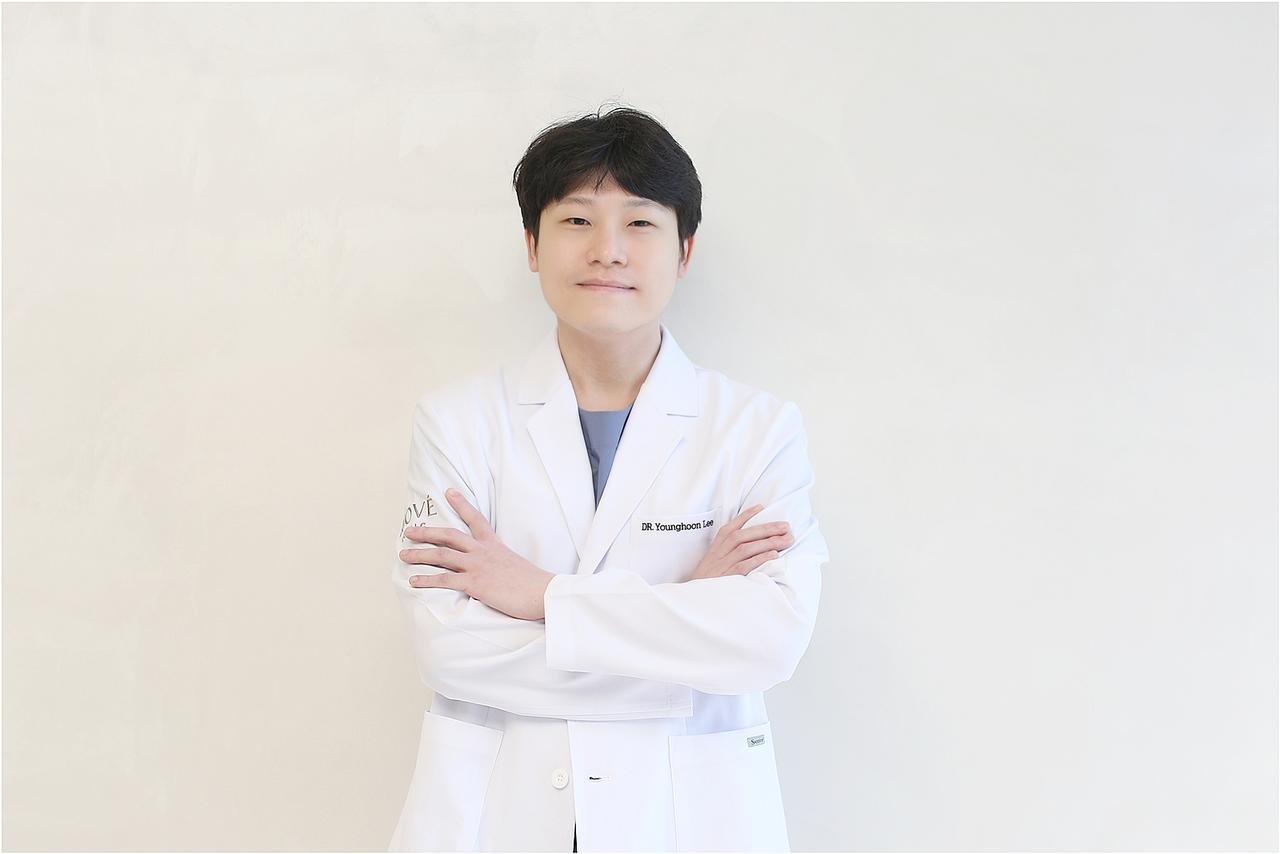
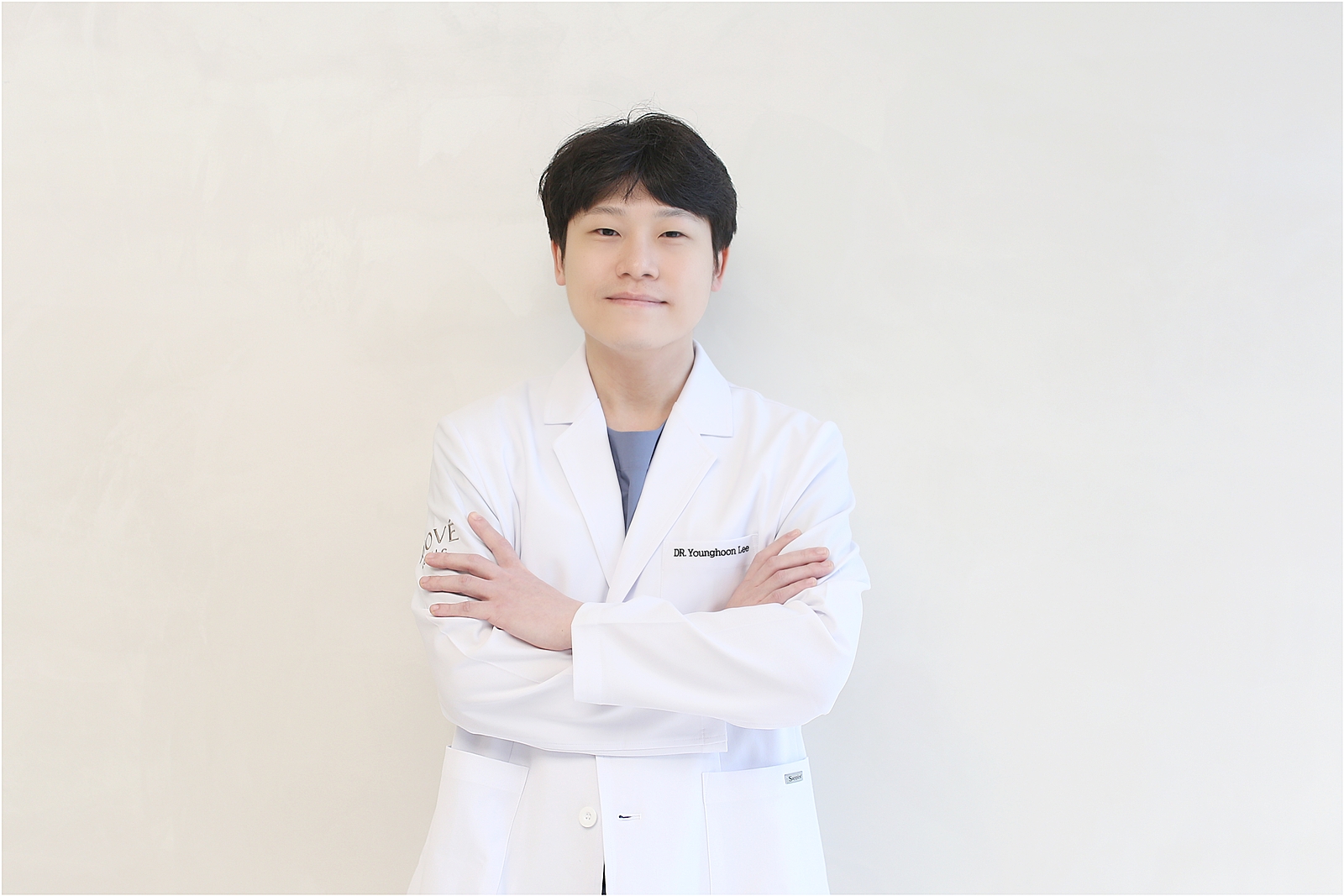
What Medical Director Lee Young-hoon looks at first in consultation is also not the type of device but what is changing in your skin now. If you are considering Titanium Lifting at a Cheongdam dermatology clinic, a process of evaluating skin thickness, firmness, pigmentation, and sensitivity to thermal stimulation together before judging suitability is necessary.
Warmth and recovery: good to know in advance
Titanium Lifting devices have a cooling function that keeps the skin surface temperature from rising too high. It is designed to protect the epidermis and reduce discomfort, but that does not mean you will feel nothing. Depending on energy intensity, treatment area, and skin sensitivity, there may be a warm feeling or stinging.
After the procedure, temporary redness, warmth, or swelling may occur, and in rare cases side effects such as burns or pigmentation may appear. The skin may feel tight right after, but it is too early to judge the results by that feeling alone.
Tissue changes after thermal stimulation take time, and the degree of response also differs from person to person. After the procedure, it is good not to irritate the skin strongly and to take careful care of moisturizing and sun protection.
A more important standard than the number of wavelengths
Titanium Lifting is characterized by sending thermal energy into the skin with three laser wavelengths. But having several types of wavelengths does not mean it suits every skin concern or guarantees better results.
The cause of lost firmness, pigmentation, and response to heat differ from person to person, so a step to check these thoroughly cannot be skipped. If you are considering Titanium Lifting at a Cheongdam dermatology clinic, we recommend reviewing the device's features along with the changes you can expect in your skin and the limitations. The key to lifting is not using multiple energies in itself but using energy in a way that suits your skin's condition.
Titanium Lifting frequently asked questions
How does Titanium Lifting work? It sends thermal energy into skin tissue with three laser wavelengths, 755nm, 810nm, and 1064nm, and uses that heat to induce a tightening response.
Why does it use three wavelengths? Because each wavelength is absorbed and scattered differently in tissue. However, the actual effect depends on skin condition and treatment conditions.
Who is it suitable for? It can be considered when loss of firmness or changes in facial contours are a concern. Suitability varies with skin thickness, pigmentation, and the cause of sagging.
Is it quite painful? Even with the surface cooling function, warmth or stinging may occur, and how much you feel varies from person to person.
What should I be careful about after the procedure? The skin may become temporarily red or sensitive, so it is good to avoid strong heat and pay attention to moisturizing and sun protection.
You can see RIOVE's treatments on the Treatments page.
Author : Dr. Lee Young-hoon, Medical Director, RIOVE Clinic, Profile Last reviewed : 2026-11-15 This article contains general medical information. Treatment results and recovery vary from person to person, and side effects such as redness, swelling, burns, and pigmentation may occur. The actual scope of application and suitability are judged based on a physician's examination and the approved indications of the relevant product or device, and individual diagnosis and treatment plans are determined through an in-person consultation.
If a treatment interests you, we'll go over it together in the exam room
Whether a treatment is suitable, and how it is done, is decided after we check your individual condition. For more details, please call our main line.